


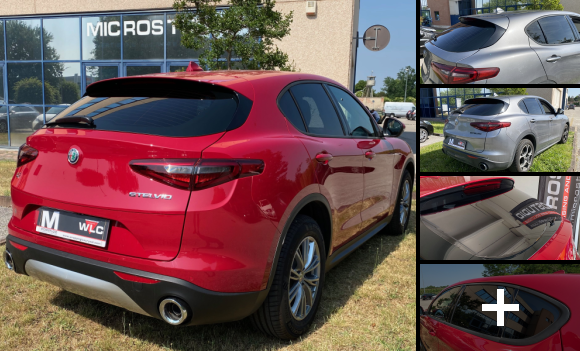
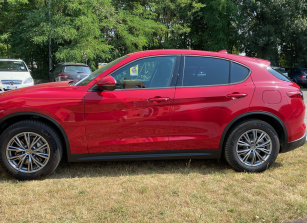
We worked on this 2024 Alfa Romeo Stelvio to make the rear passenger area more comfortable, as it was particularly exposed to direct sunlight, while also giving the SUV a bolder appearance.
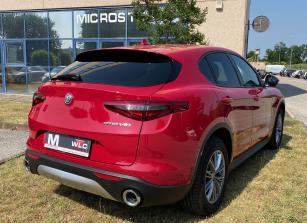
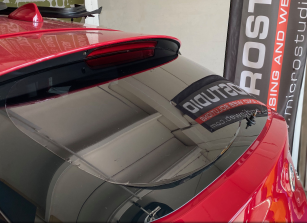
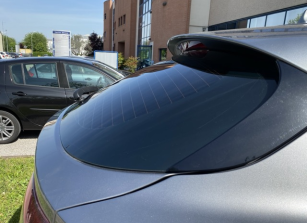
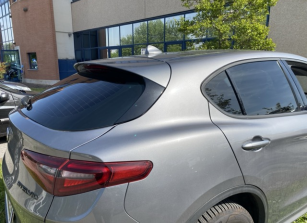
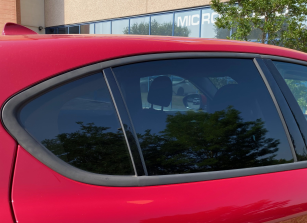
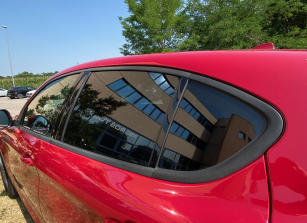
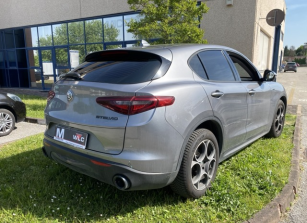
We applied Avery Dennison HP Pro 15 solar control window film to the rear side windows and rear windscreen. Its dark anthracite shade creates an effect similar to factory-tinted glass, while also increasing privacy for passengers and the luggage compartment.
Greater comfort for rear-seat passengers
The customer’s request was mainly driven by a practical need: to reduce the discomfort caused by sunlight passing through the glass and shining directly onto passengers and the vehicle’s interior surfaces.
The work was therefore focused on the rear section of the Stelvio, applying a specific solar control film to the rear side windows and rear windscreen. This helps reduce part of the solar energy passing through the glass and softens the intensity of direct light, making journeys more comfortable on bright and hot days.
Avery HP Pro 15: dark shade with low reflectivity
For this installation, we selected Avery Dennison Automotive Window Film HP Pro 15, a hybrid metallised film with an anthracite shade, designed specifically for vehicle window tinting.
The dark colour does not create a pronounced mirror effect and blends naturally with the design of the Alfa Romeo Stelvio. Viewed from the outside, the rear section of the vehicle takes on a more cohesive and sporty appearance, similar to the factory privacy glass fitted as original equipment on many SUVs.
According to the Avery Dennison technical data sheet, HP Pro 15 provides 15% visible light transmission, blocks more than 99% of ultraviolet radiation and rejects 53% of total solar energy. These figures were measured by the manufacturer on 6-millimetre clear glass, so the final performance may vary depending on the characteristics of the vehicle’s original glazing.
Interior preparation and application to the glass
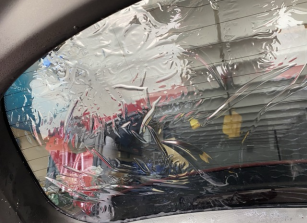
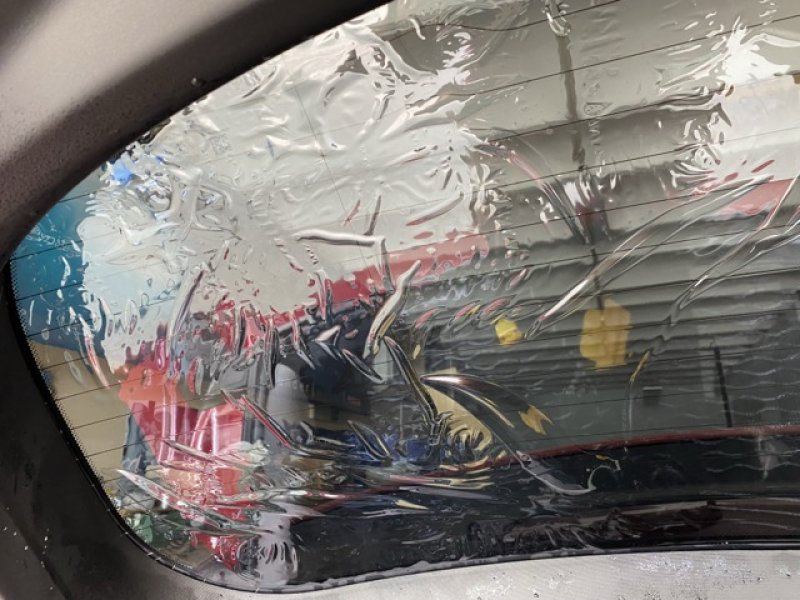
Before beginning the installation, we thoroughly cleaned the windows involved, paying particular attention to the surfaces on which the film would be applied. Even small traces of dust or residue can compromise the uniformity of the finished result.
The areas of the interior upholstery close to the glass were protected during the installation, allowing us to work inside the passenger compartment without soiling or wetting the surrounding trim.
The film was applied exclusively to the rear side windows and rear windscreen. The front windscreen and front side windows were not treated, in accordance with the restrictions governing the installation of aftermarket tinted window films.
 Pellicole Solari Vetri Alfa Stelvio Treviso
 Fase Applicazione Pellicola Solare Microstudio Treviso
 Operazione Termo Formatura Pellicola Solare Auto
 Lunotto Posteriore Pellicola Solare Auto
 Alfa Romeo Stelvio pellicola solare anti UV
 Alfa Stelvio Pellicole Filtro Uva Uvb Solari
 Applicazione pellicole Effetto Privacy Anti UV
 Pellicole Solari Scure per Vetri Auto, Fascino, Eleganza
 Alfa Stelvio Pellicole Solari Omologate Treviso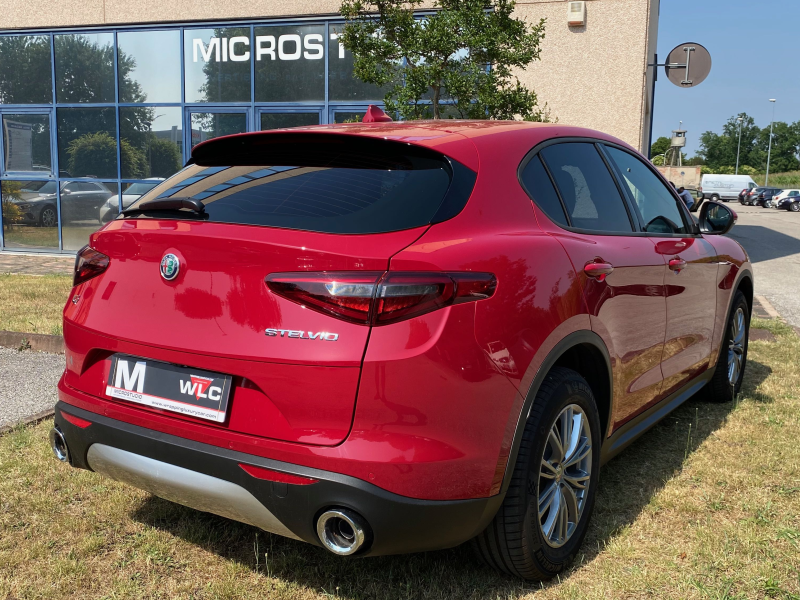
Pellicole Solari Vetri Alfa Stelvio Treviso
Fase Applicazione Pellicola Solare Microstudio Treviso
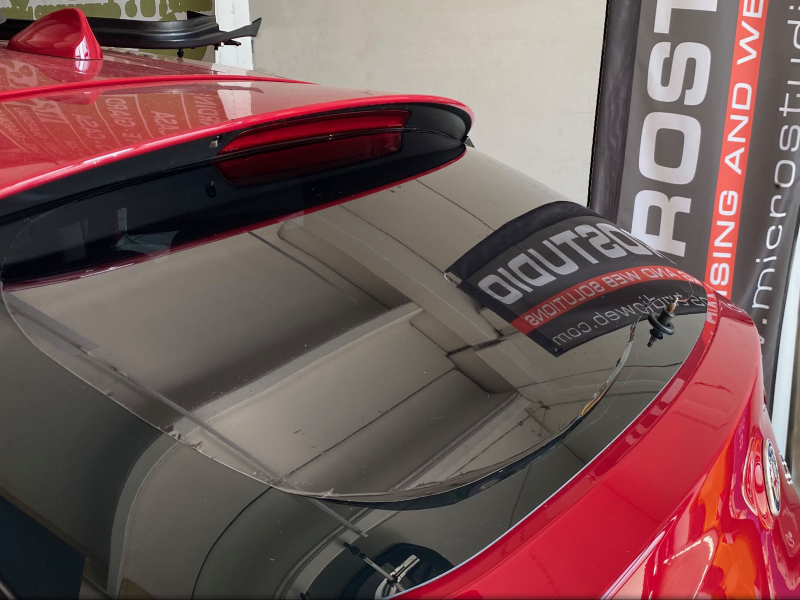
Operazione Termo Formatura Pellicola Solare Auto
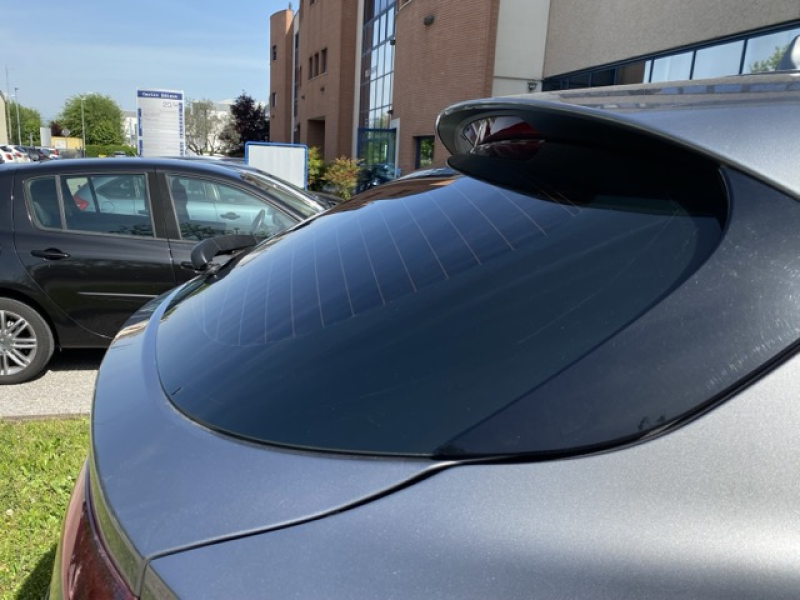
Lunotto Posteriore Pellicola Solare Auto
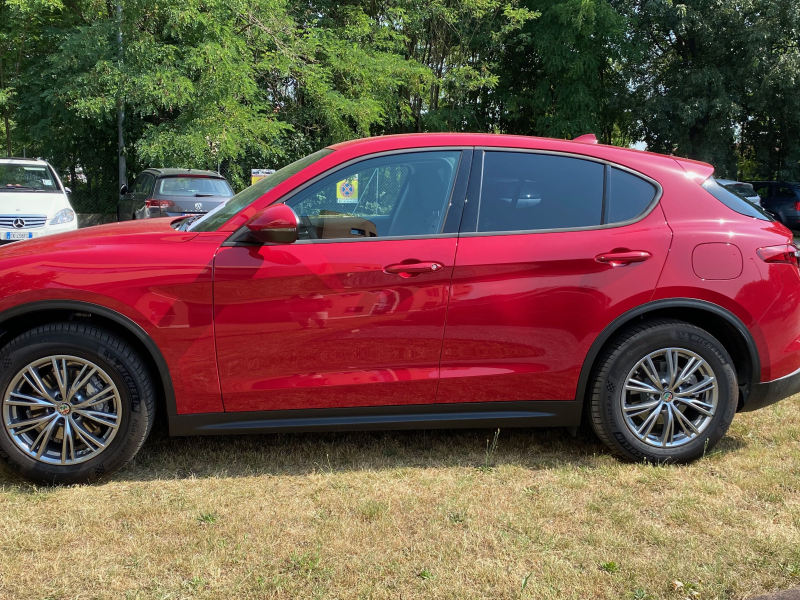
Alfa Romeo Stelvio pellicola solare anti UV
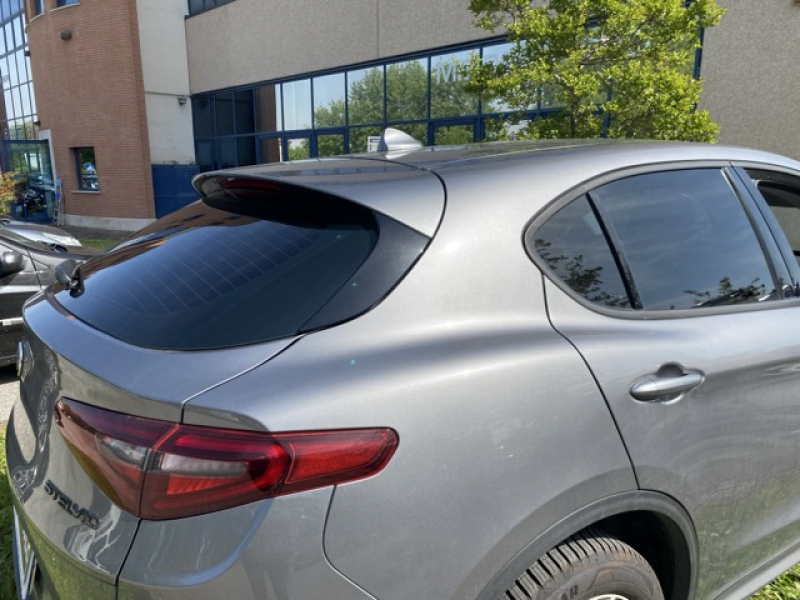
Alfa Stelvio Pellicole Filtro Uva Uvb Solari
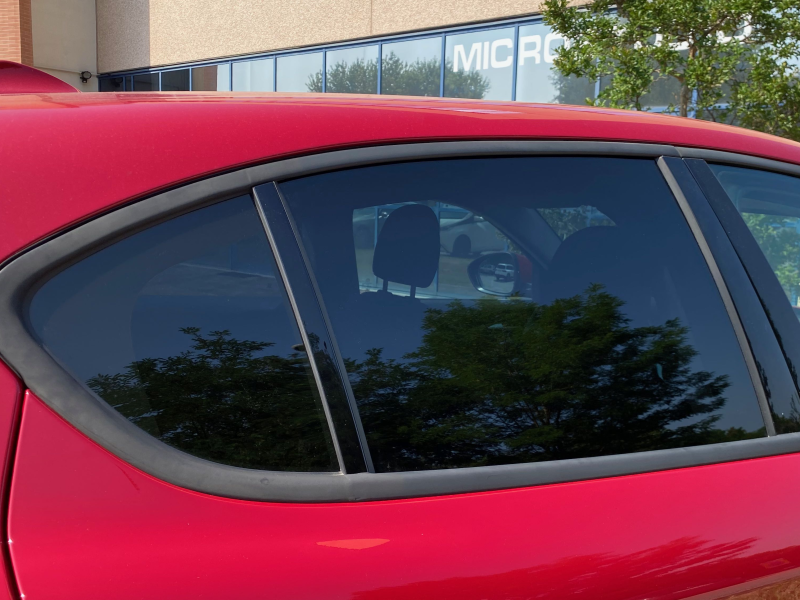
Applicazione pellicole Effetto Privacy Anti UV
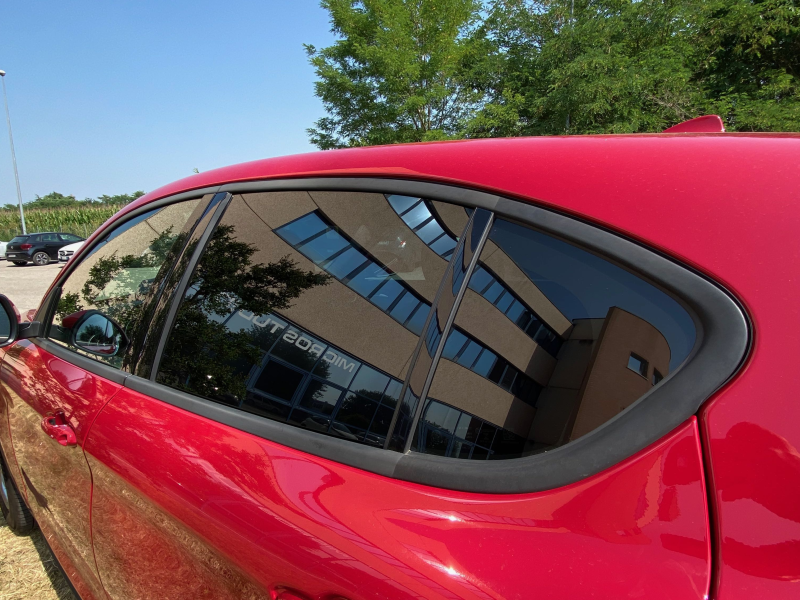
Pellicole Solari Scure per Vetri Auto, Fascino, Eleganza
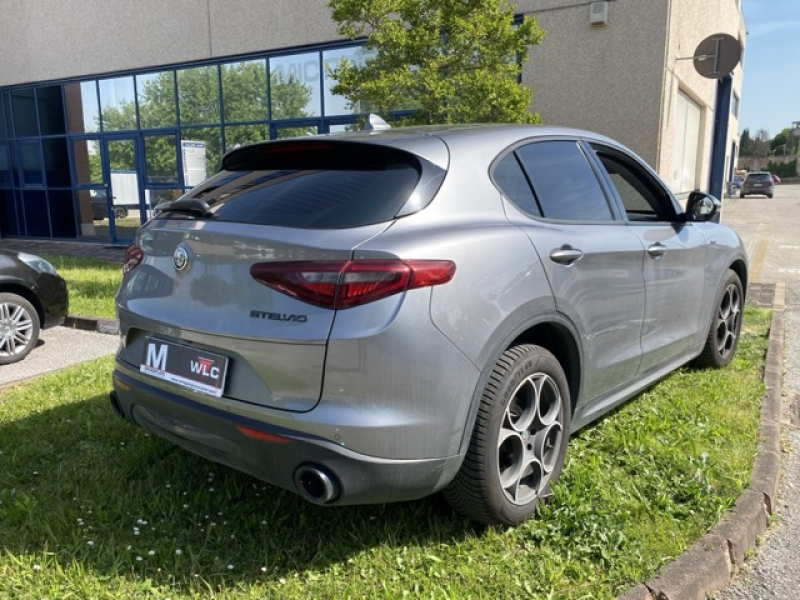
Alfa Stelvio Pellicole Solari Omologate Treviso
Greater privacy for the luggage compartment
On the Stelvio, tinting the rear section provides a particularly useful benefit: from outside the vehicle, it becomes more difficult to see what is on the rear seats or inside the luggage compartment.
The film therefore increases privacy inside the vehicle and helps shield the contents of the rear compartment from direct view. Naturally, it does not replace normal anti-theft precautions and does not make it safe to leave valuable items unattended inside the vehicle.
A better-protected Stelvio with a sportier appearance
With the rear windows tinted, the lines of the Alfa Romeo Stelvio appear more continuous: the dark glass visually connects with the pillars and the darker elements of the bodywork, emphasising the SUV’s sporty character without altering its original styling.
The finished result meets the customer’s requirements in several ways: reduced direct sunlight in the rear passenger area, protection from UV radiation, greater privacy and a more assertive appearance. The installation was completed by Microstudio in Treviso using a film specifically designed for automotive glazing.